Journal / May 26, 2026
Complete Guide to Gay Male Massage in New York City
Explore rates, neighborhoods, licensed options and queer-owned spas for gay male massage in NYC. Learn how to select professional, discreet experiences in 2026.
By Menquility
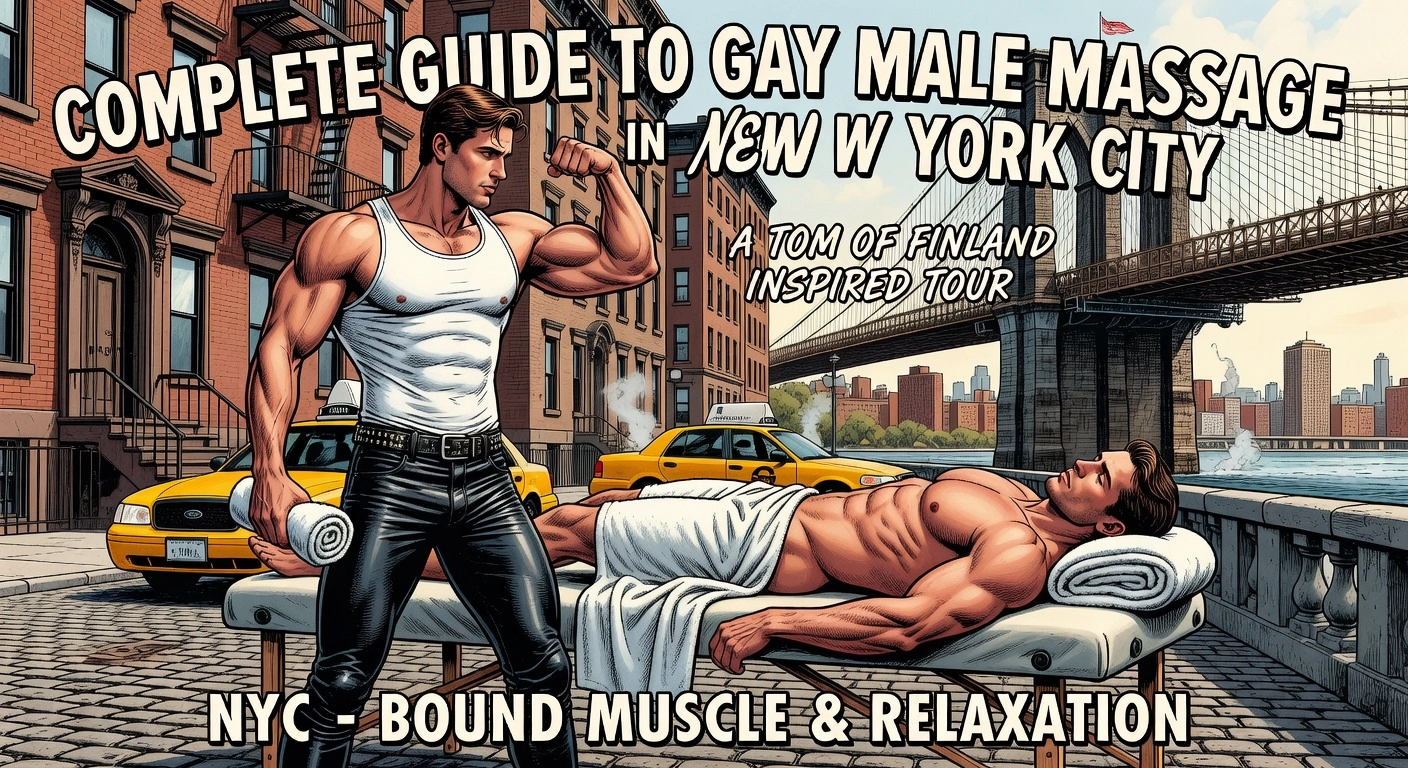
New York City offers a dynamic landscape of wellness options that cater to diverse preferences and lifestyles. Within this vibrant scene, gay male massage new york city emerges as a refined choice for those seeking skilled bodywork that aligns with personal comfort and cultural understanding. This analysis examines the range of available services, from therapeutic techniques to more specialized approaches, while highlighting what distinguishes high quality providers from the rest.
Intermediate readers will discover practical details on locating reputable therapists and studios across Manhattan, Brooklyn, and other boroughs. The guide evaluates common modalities, safety considerations, and communication strategies that enhance each session. It also breaks down pricing trends and preparation tips to help you navigate choices with confidence and clarity.
By the conclusion of this exploration, you will possess a clear framework for identifying services that match your goals. Expect straightforward recommendations grounded in the realities of the local market, enabling better decisions whether you pursue a one time appointment or an ongoing wellness routine.
Market Demand and Trends in 2026
Strong established demand for professional gay affirming M4M massage persists across Manhattan, with clients actively seeking licensed therapists who operate in private suites. This preference spans neighborhoods such as Midtown, Hell's Kitchen, Chelsea, and areas near Koreatown, where individuals value environments that welcome gay, bi, and curious men without judgment. Directories of male therapists highlight numerous in studio and mobile options that emphasize LGBT community experience and full body therapeutic techniques including Swedish, deep tissue, hot stone, Thai, and aromatherapy modalities. Sessions typically last 60 to 120 minutes, and average hourly rates for licensed in studio work range from 120 to 180 dollars, reflecting the specialized nature of these services. Broader market data indicates the U.S. men's massage segment continues to expand at a compound annual growth rate of 8 percent through 2030 as stigma around male wellness declines.
The period from 2025 to 2026 marks a clear shift toward explicitly queer owned spaces that integrate therapeutic expertise with sensual options in judgment free settings. These venues prioritize masculine aesthetics and affirming care tailored specifically for gay, bi, and curious clients, moving away from generic wellness offerings. Queer owned studios address this evolution by combining professional licensure with private suite experiences that foster discretion and comfort. This trend aligns with rising interest in identity affirming wellness modalities that blend results oriented bodywork with an unapologetically supportive atmosphere. Such developments respond directly to client feedback seeking environments where personal identity enhances rather than complicates the therapeutic process.
Appointment only models have gained significant traction because they prioritize discretion and controlled experiences for gay, bi, and curious men. Unlike traditional walk in day spas, these approaches rely on online platforms and private studios that allow client screening and tailored scheduling. Mobile and by appointment services suit urban professionals who value confidentiality alongside convenience in fast paced city life. Market analyses project continued high growth in digital booking systems that support privacy focused care over high traffic alternatives. This structure reduces exposure while enabling customized sessions that meet individual therapeutic and wellness goals.
Increased legal scrutiny on illegal or unlicensed services since 2024 has further elevated demand for transparent, licensed therapeutic providers. Investigations into medspas and related businesses revealed widespread violations involving lack of oversight and improper practices, prompting stricter legislation around fixed location massage operations. New requirements mandate licensed therapists only and aim to curb unsafe activities disguised as wellness services. These regulatory changes reinforce consumer preference for verifiable professional standards and clear boundaries. As a result, established queer owned studios that maintain full compliance and offer appointment based access continue to attract clients seeking reliable, affirming care.
Average Rates and Session Details
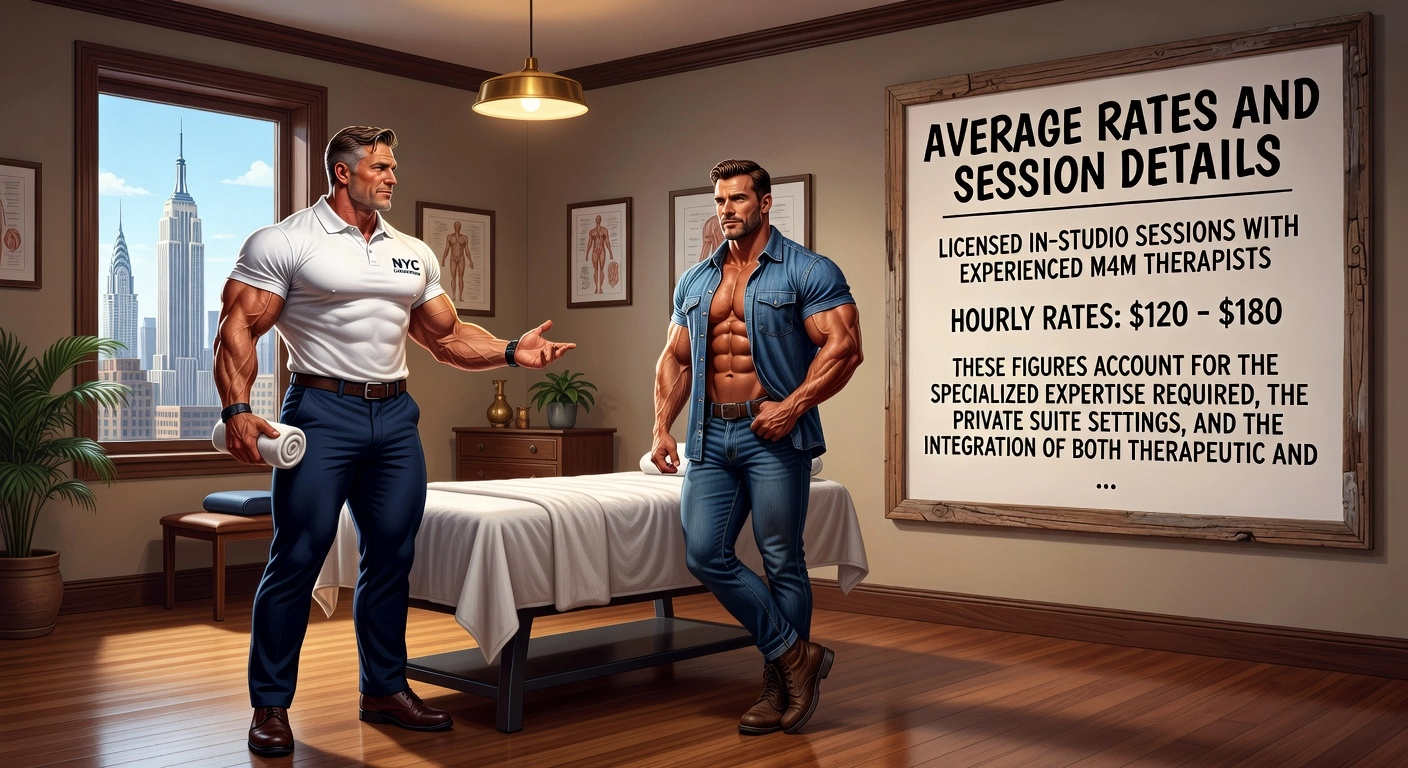
In the evolving market for gay male massage new york city, licensed in-studio sessions with experienced M4M therapists command hourly rates between 120 and 180 dollars. These figures account for the specialized expertise required, the private suite settings, and the integration of both therapeutic and sensual techniques that clients in Manhattan seek. Current directory data shows 60-minute appointments often start around 120 to 160 dollars, with extensions for deeper modalities pushing totals higher. This range supports consistent professional standards, including state licensing and client-focused customization. Providers adjust pricing based on therapist experience and specific requests, creating transparent options that reflect demand across Midtown and surrounding neighborhoods.
Session lengths from 60 to 120 minutes allow precise alignment with client goals in full-body therapeutic or sensual modalities. A 60-minute appointment typically emphasizes targeted areas such as the back, shoulders, and legs while incorporating optional sensual elements for introductory experiences. Extending to 90 minutes provides balanced time for comprehensive coverage combined with techniques like bodywork or focused relaxation. The full 120-minute option supports immersive sessions that blend deep tissue work, Thai stretching, or extended sensual flows with proper intake and consent protocols. These durations help therapists deliver measurable results while maintaining high levels of discretion and personalization throughout the process.
Specialized M4M pricing stands apart from general NYC massage averages of 80 to 150 dollars per hour at standard spas or chains. General services focus primarily on clinical outcomes like Swedish or deep tissue relief without the affirming environment or niche modalities common in gay male massage new york city. The premium for M4M options stems from dedicated expertise in serving gay, bi, and curious clients, along with added elements such as aromatherapy or hot stone applications in judgment-free spaces. This segmentation creates clear value for those prioritizing both therapeutic efficacy and a masculine sanctuary atmosphere. Market analysis confirms the 20 to 50 percent differential arises from sustained demand and specialized training rather than standard wellness offerings.
Therapist salaries averaging 55310 dollars annually further underscore the professional standards within this field. These earnings reflect the commitment to ongoing education, NYS licensing requirements, and the delivery of high-quality care across therapeutic and sensual modalities. Experienced practitioners in urban settings often exceed base figures through premium session structures and client retention. Such compensation data highlights why clients benefit from working with insured professionals who adhere to ethical boundaries and evidence-based practices. This foundation supports reliable outcomes and reinforces the distinction of dedicated M4M studios from broader market alternatives.
Key Neighborhoods for Easy Access
Midtown Manhattan near Koreatown stands out as a central hub for clients seeking gay male massage new york city options with reliable transit connections. The area around 32nd to 38th Streets between Fifth and Seventh Avenues provides quick access from Chelsea in roughly 22 minutes on foot or via the 1 train and N/R/W lines. Hell's Kitchen visitors reach the same spots in about 18 minutes by walking or one quick A/C/E stop. Greenwich Village clients arrive in approximately 35 minutes on foot or seven minutes on the N/R/W from 8th Street NYU station. These routes support busy schedules while keeping travel straightforward and predictable.
Clients from the Upper East Side, Upper West Side, and Financial District benefit equally from central private suites in this location. The 6 train delivers Upper East Side residents from stops like 68th or 77th Street in under 15 minutes, followed by a short walk that often proves faster than rideshares. Upper West Side travelers from 72nd Street can use the 2/3 express to Penn Station in about six minutes, with additional options via the 1 or B lines. Financial District professionals from Cortlandt Street reach Midtown in roughly 14 minutes on the N/R/W, bypassing longer drives along the FDR. This setup allows finance professionals, surgeons, and creatives to schedule sessions without leaving Manhattan's core.
Appointment-only access in fixed private-suite locations enhances discretion compared with mobile or directory-based alternatives. Providers maintain controlled entry, fresh linens per client, and masculine sanctuary atmospheres that reduce visibility risks. This model avoids the building access or less predictable settings sometimes involved in hotel outcalls. It also supports consistent hygiene standards and features like private showers with dim lighting. Many clients report greater peace of mind knowing each visit follows professional boundaries and zero-performance expectations.
Parking and subway convenience further assist out-of-town visitors or busy professionals. Direct lines from hubs like Herald Square and Penn Station minimize travel time while eliminating parking hassles in dense zones such as Columbus Circle. Nearby garages remain available for those who drive, yet frequent subway service or short walks within Koreatown itself offer lower-friction alternatives. Late slots extending until 10pm accommodate after-work arrivals or travel schedules. These practical advantages align with broader 2026 trends favoring specialized urban wellness experiences that prioritize efficiency and privacy.
Service Offerings and Modalities
In the landscape of gay male massage new york city, providers deliver a sophisticated array of therapeutic modalities tailored to the needs of gay, bi, and curious men. Licensed therapists at dedicated studios emphasize gay affirming care through techniques such as Swedish massage, which uses long flowing strokes to promote deep relaxation. Deep tissue work targets chronic tension with firm pressure, ideal for those recovering from intense physical activity. Hot stone applications enhance circulation while melting away stress, and Thai massage incorporates dynamic stretches for improved flexibility. Aromatherapy integrates essential oils to heighten sensory experiences during sessions. These core options reflect established demand patterns, with average in-studio rates ranging from 120 to 180 dollars per hour based on therapist experience and session length.
Integration of sensual and Nuru modalities occurs within a professional licensed framework that prioritizes consent, communication, and therapeutic boundaries. Sensual massage builds on foundational Swedish or deep tissue methods by incorporating intentional full-body touch and heightened body awareness, often drawing from tantric principles to foster grounding and connection. Nuru sessions utilize warm slippery gel for fluid gliding movements, typically lasting 60 to 90 minutes and blending elements of deep tissue release with erotic energy for comprehensive satisfaction. This approach allows clients to explore holistic well-being without compromising the standards of licensed practice. Expert commentary highlights how such combinations address both physical relief and emotional needs in judgment-free settings.
Each 60 to 120 minute session unfolds in private suites designed for complete discretion, with appointments scheduled exclusively by reservation. Clients arrive at calm upscale environments where therapists maintain strict professional protocols, including clear pre-session discussions about preferences and boundaries. Soft lighting, premium oils, and soundproofed spaces contribute to an atmosphere of privacy, while no public waiting areas or walk-in policies further protect client confidentiality. This structure supports the growing preference for member-style wellness experiences that emphasize safety alongside personalization. Data from industry directories shows high satisfaction rates among men seeking these tailored durations for targeted outcomes.
The masculine aesthetic and unapologetically queer approach distinguish dedicated spas from generic wellness venues by creating environments built explicitly for men. Clean modern design elements evoke strength and tranquility rather than traditional spa femininity, allowing clients to relax without pretense. Queer-owned operations celebrate M4M connection through affirming language and inclusive practices that welcome diverse body types and identities. This positioning aligns with 2025 to 2026 market trends toward specialized spaces that reduce stigma around male wellness. Such dedicated settings deliver actionable insights for intermediate clients navigating options in a competitive urban market.
Competitor Landscape and Options
Directory platforms such as Masseurfinder and RentMasseur dominate listings for gay male massage new york city, presenting hundreds of individual profiles across Manhattan and surrounding boroughs. These sites allow clients to filter by location, service type, and availability, yet the range of professionalism varies considerably from one provider to the next. Many entries feature licensed therapists offering deep tissue or Swedish techniques alongside more sensual modalities, while others appear less regulated and rely primarily on client reviews for credibility. Data from current market scans show New York as one of the busiest regions on these platforms, with multiple pages of active profiles that include photographs, rates, and session descriptions. Users must therefore examine credentials and recent feedback carefully before booking to ensure consistent therapeutic quality.
Traditional men's spas add another layer of options, though reviews of venues like Yeah Man Spa and comparable establishments reveal inconsistent experiences. Clients frequently note strong technical skills in some sessions paired with concerns over cleanliness or variable therapist engagement in others. Recent legal actions against certain all-male facilities for alleged unlicensed activities have prompted increased scrutiny across the sector, leading many patrons to prioritize verified hygiene standards and clear service boundaries. Hourly rates at these spas often align with broader market averages between 120 and 180 dollars, yet outcomes depend heavily on the specific location and staff on duty. This variability encourages intermediate clients to cross-reference multiple sources before committing to a visit.
Explicitly queer-owned venues with bold minimalist branding and a strict therapeutic focus remain relatively scarce in the current landscape. Such spaces distinguish themselves through intentional design choices that emphasize privacy, licensed M4M practitioners, and an affirming atmosphere tailored to gay, bi, and curious men. Unlike broader directories or mixed spas, these locations tend to limit offerings to appointment-only models that reinforce discretion and professional standards. Market analysis indicates modest growth in this niche as demand rises for environments free from the inconsistencies found elsewhere. The result is a more curated selection that prioritizes safety and specialized care over volume.
Feedback shared in Reddit communities such as r/nycgaybros highlights recurring themes around clean facilities, attractive and skilled therapists, and differing expectations regarding sensual elements. Participants often recommend verifying state licensing and reading recent session reports to navigate varying service levels effectively. Discussions also reference typical pricing in the 150 to 180 dollar range for extended appointments, along with preferences for deep tissue work delivered in hygienic private settings. These threads provide practical insights that help users distinguish purely therapeutic sessions from those incorporating optional extras. Overall patterns suggest that thorough research yields more satisfying outcomes across the full spectrum of available choices.
How to Choose a Professional Provider
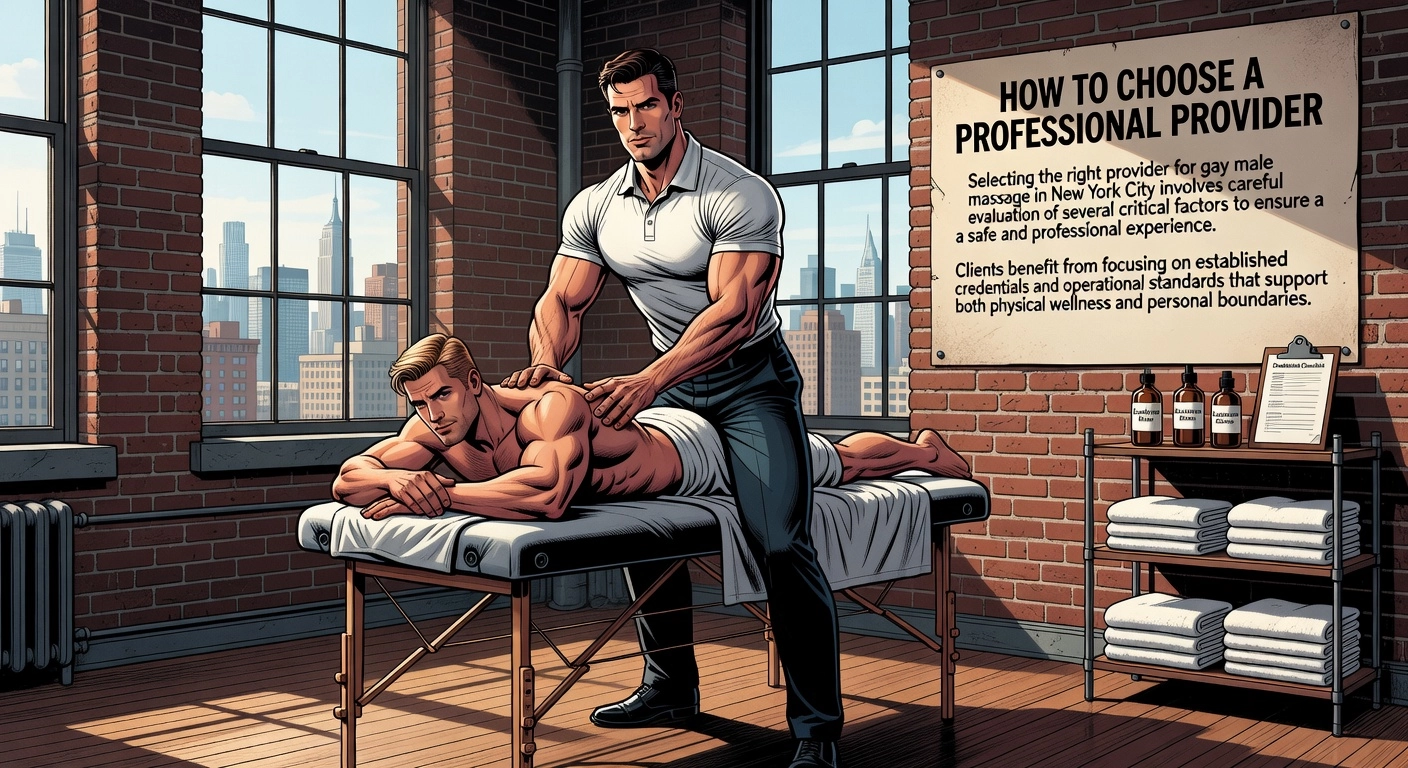
Selecting the right provider for gay male massage in New York City involves careful evaluation of several critical factors to ensure a safe and professional experience. Clients benefit from focusing on established credentials and operational standards that support both physical wellness and personal comfort in a major metropolitan setting. This approach aligns with broader market trends showing increased demand for structured therapeutic services amid evolving client expectations in 2026.
New York State requires all massage therapists to hold active licensure through the NYSED Office of the Professions. Professionals must complete at least 1,000 hours of approved training in anatomy and techniques, pass a state examination, and maintain current CPR certification. Verifying these credentials through official channels prevents engagement with unqualified individuals. Appointment-only policies further enhance safety by eliminating walk-in risks and allowing studios to maintain controlled, hygienic environments with scheduled sessions ranging from 60 to 120 minutes.
Providers that describe themselves as queer-owned or gay-affirming establish judgment-free spaces tailored to gay, bi, and curious men. These venues prioritize body positivity, explicit consent protocols, and inclusive practices that reduce anxiety for clients seeking affirming care. Such identities often appear in detailed service descriptions and help foster emotional safety alongside technical expertise. Clients should seek clear statements about non-discriminatory environments and experience working with diverse male populations.
Private suite availability combined with convenient neighborhood access supports discretion and ease of travel. Studios in central Manhattan areas offer proximity to major transit lines while featuring dedicated rooms equipped for comfort and privacy. Transparent pricing structures list rates typically between 120 and 180 dollars per hour for in-studio licensed sessions, along with details on session lengths, add-ons, and cancellation terms. Confirming these elements in advance minimizes unexpected costs or logistical issues.
Venues that maintain strict separation between therapeutic modalities and any illegal activities demonstrate higher professionalism and legal compliance. Licensed therapists focus on techniques such as Swedish, deep tissue, or Thai massage with proper draping and intake procedures. Recent industry scrutiny has highlighted risks associated with ambiguous offerings, making it essential to select providers who communicate clear boundaries and ethical standards. This focus ensures sessions remain centered on wellness and client well-being.
Practical steps include reviewing license verification resources, requesting initial consultations, and cross-checking service details against current market data on inclusive wellness growth. These actions lead to reliable outcomes in a competitive urban landscape.
Legal and Safety Considerations
New York City has witnessed a marked increase in enforcement actions targeting massage establishments suspected of offering illegal services, a trend that gained momentum after high profile operations in 2024 and persisted through 2025 and 2026. Raids in Queens along Roosevelt Avenue resulted in the shutdown of multiple parlors linked to allegations of prostitution and unlicensed activity. Similar efforts extended into Westchester and Rockland counties, producing arrests and building closures at locations such as Oasis Spa and HNS Spa. Broader investigations also uncovered cross border rings operating through illicit spas, with authorities seizing significant proceeds tied to racketeering and money laundering. These developments underscore the risks associated with unregulated venues and highlight the value of choosing providers that operate within clear legal boundaries.
Licensed therapeutic environments deliver distinct safety advantages compared with independent practitioners listed on open directories. State regulated spas must maintain professional liability insurance, enforce hygiene protocols, and employ therapists whose credentials are verified through the New York State Education Department. This structure reduces exposure to boundary violations, unlicensed practice, or potential involvement in illegal activity that can occur with unmonitored providers. Clients benefit from documented intake procedures, monitored facilities, and accountability mechanisms that independent listings often lack.
Verifying that a business is queer owned and maintains explicit service boundaries further enhances peace of mind for gay, bi, and curious clients. Transparent communication about non sexual, therapeutic modalities such as Swedish or deep tissue work signals professionalism and compliance with New York law. Establishing these parameters in advance helps distinguish legitimate practices from those that may cross into prohibited territory.
Before finalizing any appointment, clients should confirm therapist credentials directly through the official Office of the Professions website and request written details on session length, modalities, pricing, and cancellation policies. Inquiries about consent protocols, draping standards, and medical history forms provide additional reassurance. Prioritizing venues with physical addresses, visible licensing, and affirmative policies supports a secure and professional experience.
Conclusion and Next Steps
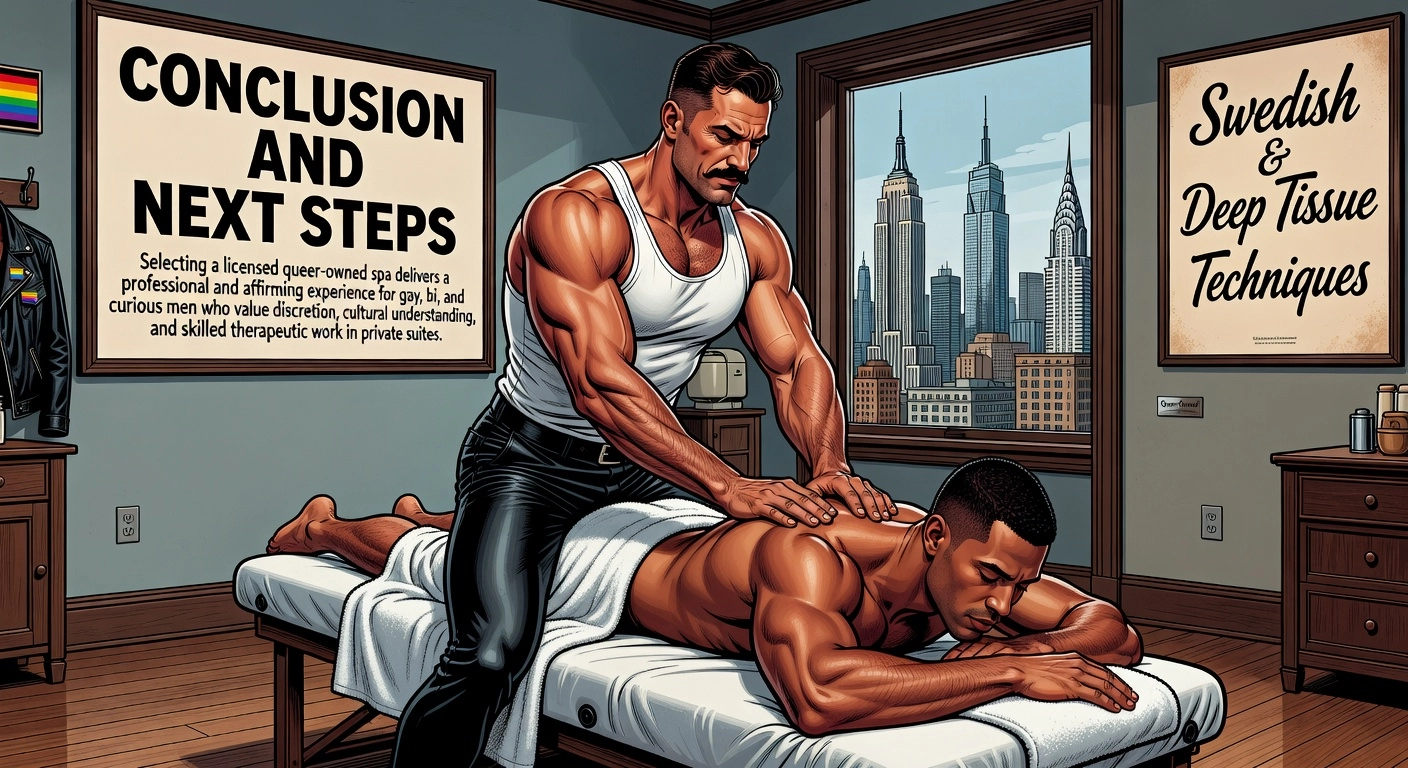
Selecting a licensed queer-owned spa delivers a professional and affirming experience for gay, bi, and curious men who value discretion, cultural understanding, and skilled therapeutic work in private suites. This focused environment supports a range of modalities from Swedish and deep tissue techniques to hot stone and aromatherapy sessions lasting 60 to 120 minutes. Clients benefit from an atmosphere that prioritizes safety, expertise, and genuine acceptance over generalized wellness settings.
Before booking, compare rates across Manhattan neighborhoods and review full service menus to match specific needs and budgets. Industry data shows average hourly rates for licensed in-studio gay male massage sessions typically fall between 120 and 180 dollars. Current NYC gay massage resources and provider directories offer helpful benchmarks for these decisions.
Menquility — Kips Bay, Manhattan NYC. By appointment only. Contact the concierge for arrival details.