Journal / May 28, 2026
Gay Massage New York: Private Spas vs Directories
Compare gay massage New York options including licensed M4M spas and directories. Discover key differences in discretion, professionalism and queer affirming care for first time clients.
By Menquility
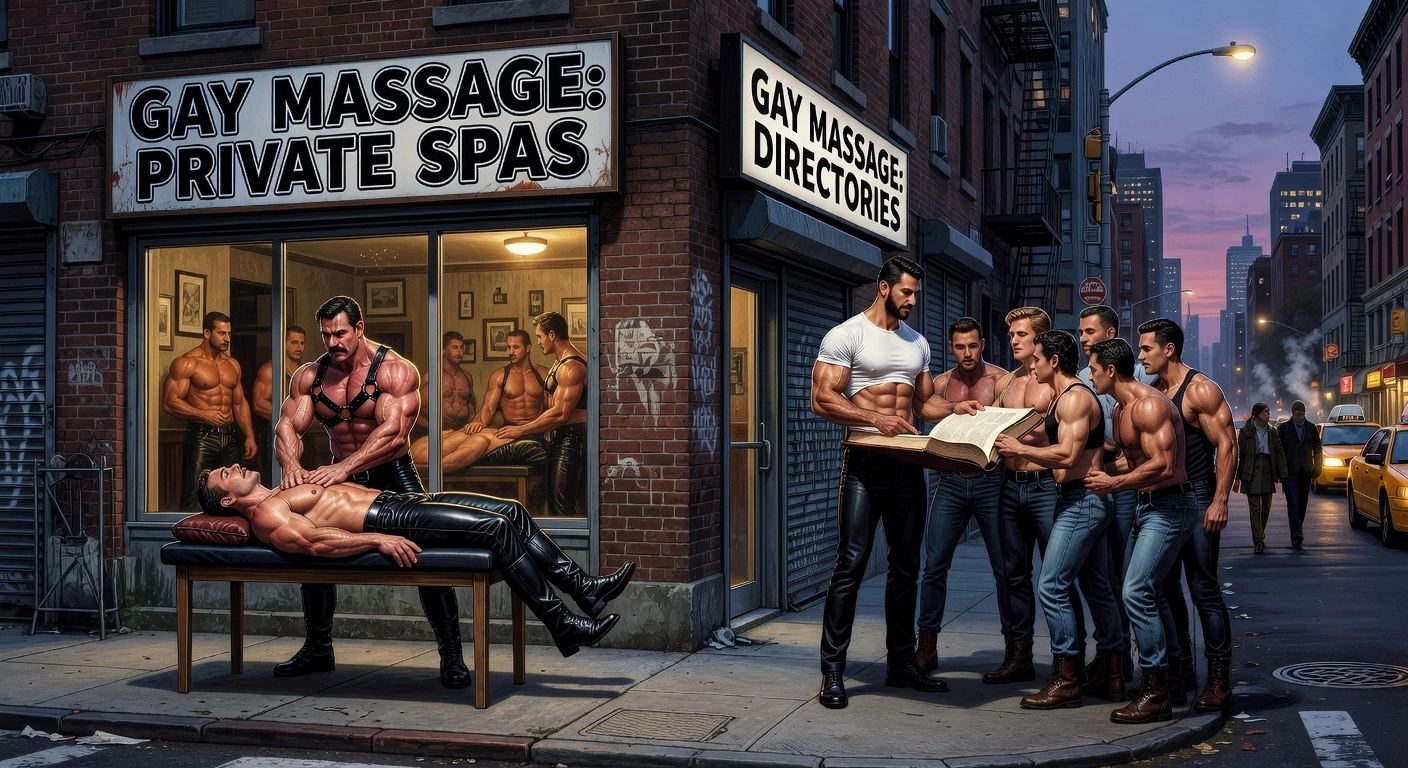
Navigating the vibrant streets of New York City often leaves people searching for reliable ways to relax and recharge. For those new to the scene, locating quality gay massage new york services can raise important questions about safety, privacy, and value. Two primary routes stand out. Some individuals turn to established private spas, while others explore listings on online directories.
This comparison will clarify how these options differ in practice. You will learn about the advantages each path offers, including control over your experience, the range of available therapists, and typical costs involved. The discussion will also address practical matters such as booking procedures, verification steps, and what to expect during an initial session. By understanding these distinctions early, beginners can make informed decisions that match their comfort level and goals.
Understanding Gay Massage Options in New York
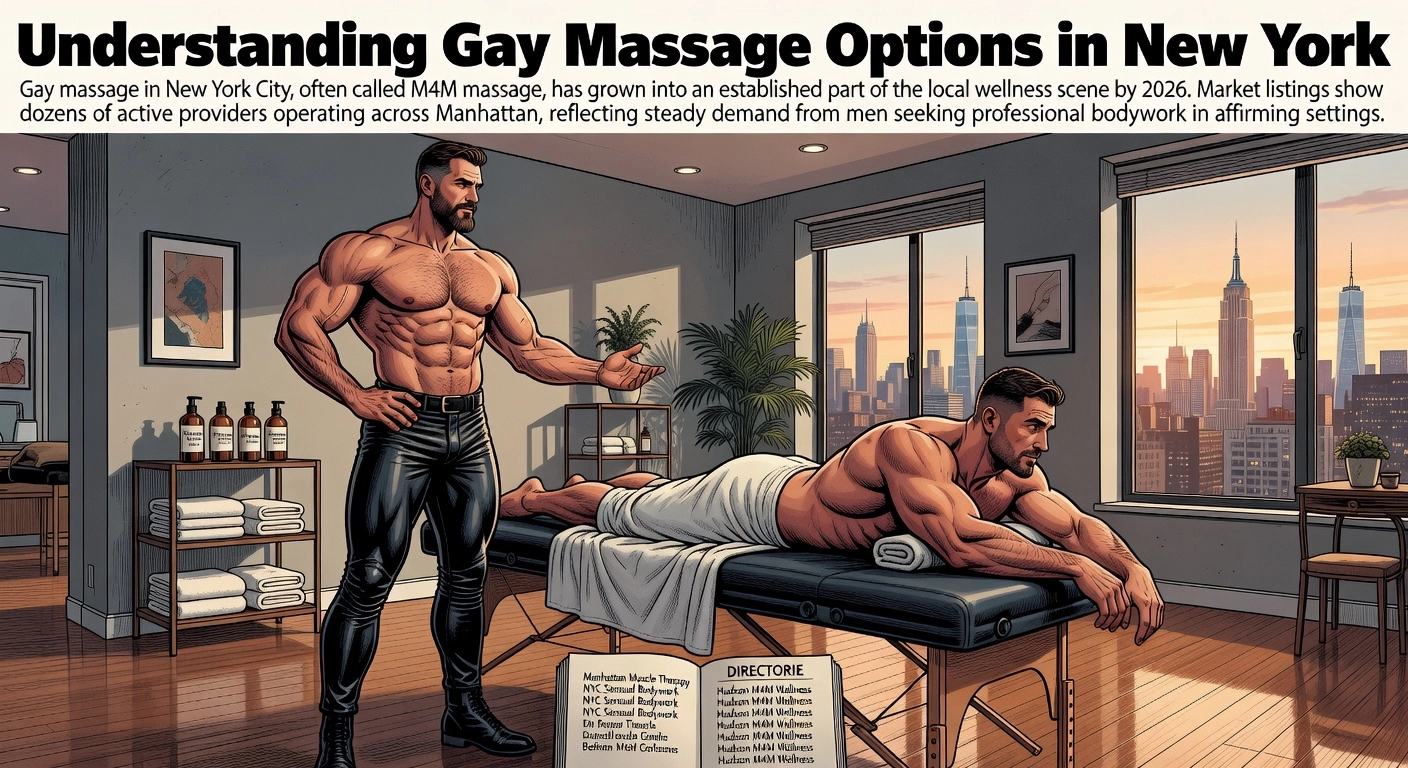
Gay massage in New York City, often called M4M massage, has grown into a established part of the local wellness scene by 2026. Market listings show dozens of active providers operating across Manhattan, reflecting steady demand from men seeking professional bodywork in affirming settings. Directories track consistent activity in neighborhoods such as Midtown, Chelsea, and the Garment District, where clients look for both therapeutic relief and personal connection. Current listings on masseurfinder illustrate the range of options available to beginners exploring these services for the first time.
Two primary provider categories stand out when comparing choices. Aggregator platforms connect clients with independent therapists who offer flexible scheduling, mobile visits, or small studio sessions, giving users the ability to review profiles and read feedback before booking. In contrast, dedicated physical studios provide fixed locations with private suites, showers, and structured environments that emphasize consistency and discretion. The first approach suits those who value variety and convenience, while the second appeals to individuals preferring a controlled, on-site experience with standardized professional protocols.
Demand stems largely from the stresses of urban life in New York, where long hours and fast-paced routines create a clear need for recovery and mental reset. For LGBTQ plus men, these sessions also support community connection and body-positive affirmation in judgment-free spaces. Providers note that regular appointments help reduce physical tension while fostering emotional well-being, making gay massage a practical self-care tool rather than a luxury.
The field has shifted toward wellness-oriented intentional touch that combines therapeutic techniques such as Swedish or deep tissue work with sensual modalities like Nuru or aromatherapy. Licensed practitioners maintain clear professional boundaries, focusing on consent, privacy, and holistic benefits. This blend allows clients to receive effective muscle relief alongside relaxing full-body experiences, all within established standards that prioritize safety and client comfort. Beginners benefit from starting with shorter sessions to understand personal preferences before committing to longer appointments.
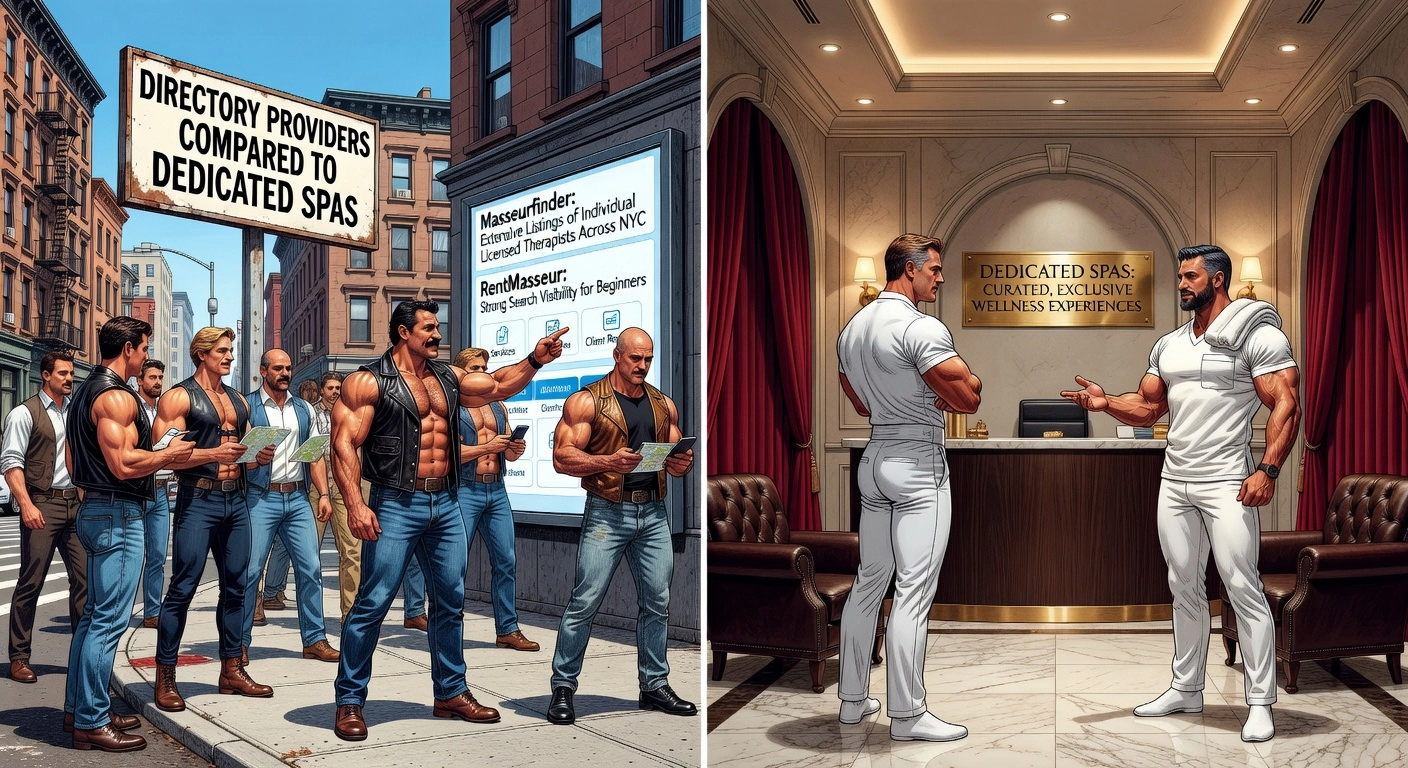
Directory Providers Compared to Dedicated Spas
Aggregator platforms like Masseurfinder and RentMasseur stand out for their extensive listings of individual licensed therapists across New York City. These directories deliver strong search visibility that helps beginners locate options quickly through filters for services, locations, and client reviews. Users can browse dozens of profiles highlighting specialties such as deep tissue or Swedish techniques along with rates typically ranging from 100 to 200 dollars per hour. While this volume supports broad discovery, the platforms provide limited branded identity since therapists operate independently without a unified aesthetic or consistent service standards.
Physical men's spas deliver convenient locations and high review volumes that appeal to first-time clients seeking immediate access. Facilities in central Manhattan often receive hundreds of ratings praising relaxing environments and skilled staff for various massage styles. However, feedback frequently includes mixed notes on professionalism, with some reports highlighting inconsistent boundaries or variable cleanliness levels that can affect the overall experience. Beginners benefit from walk-in availability but should research recent reviews to set realistic expectations.
Appointment-only private studio models offer clear advantages in scheduling control and discretion compared to walk-in alternatives. Clients book precise time slots via phone or email, which reduces wait times and ensures sessions occur in fully private suites without shared spaces. This setup supports complete confidentiality and personalized pacing, making it suitable for those new to gay massage who prioritize comfort. Walk-in options provide spontaneity yet may involve more public interactions that reduce privacy.
Queer-owned studios differentiate themselves through masculine minimalist aesthetics and direct affirming branding that creates welcoming spaces for gay, bi, and curious men. These environments emphasize judgment-free care with bold messaging focused on community and self-acceptance rather than generic wellness themes. Such approaches resonate in a market where demand grows for intentional touch and mental health support. Beginners exploring gay massage New York can review profiles on platforms like RentMasseur to compare experiences before selecting a provider that aligns with their needs.
Key Factors for First Time Clients
First time clients exploring gay massage in New York benefit from comparing key factors that separate professional experiences from less reliable options. Verifying state licensing and therapeutic training stands out as the most critical step for safety and quality. New York requires therapists to complete at least 1,000 hours of approved education covering anatomy, physiology, and ethics before passing the state exam and maintaining active status through regular renewals. Licensed providers deliver consistent Swedish or deep tissue work within clear professional boundaries, while unlicensed options carry legal risks and inconsistent results that can undermine both physical recovery and personal comfort.
Judgment free environments offer another clear advantage when comparing service approaches. Spaces that explicitly welcome gay, bi, and curious men create room for open communication without assumptions or pressure toward any particular service type. This setup supports clients who want therapeutic focus alongside optional elements like sensual or Nuru techniques, allowing each person to define their goals during intake. In contrast, less inclusive settings may introduce discomfort or mismatched expectations that reduce overall effectiveness.
Session length choices also deserve direct comparison based on individual needs. Sixty minute appointments work well for beginners testing relaxation or targeted neck and shoulder relief, whereas ninety or one hundred twenty minute sessions provide deeper tissue work and greater mental wellness benefits such as stress reduction. Longer formats align especially well with recovery from workouts or daily pressures common in Manhattan life.
Finally, evaluating accessibility from neighborhoods like Koreatown, Chelsea, and Hell's Kitchen highlights practical differences among Midtown locations. Short subway rides or walks via the N, Q, R, or 1 trains make central studios convenient for both residents and visitors, reducing travel time and supporting consistent bookings. Clients should confirm these details alongside licensing details from official sources such as New York State massage therapy requirements to select the option that best matches their priorities.
Therapeutic Modalities Versus Sensual Offerings
Therapeutic modalities like hot stone, Thai, and aromatherapy deliver proven results for stress relief and physical recovery. Hot stone massage applies heated basalt stones to expand blood vessels, ease muscle tension, and promote better circulation. Clinical data shows it reduces chronic pain more effectively than some standard treatments while improving sleep and lowering anxiety through endorphin release. Thai massage combines assisted stretches and acupressure to decrease cortisol levels and boost parasympathetic activity, outperforming simple rest for immediate stress reduction and flexibility gains. Aromatherapy enhances these effects by using essential oils such as lavender during sessions, which studies link to lower state anxiety and improved mood in clinical settings. In New York, 62 to 79 percent of clients seek these services specifically for pain management and preventive wellness.
Providers increasingly combine these licensed techniques with sensual options like Nuru under clear professional boundaries. At a queer-owned studio such as Menquility, therapists integrate Swedish or deep tissue strokes with full-body gliding using seaweed gel while maintaining consent protocols and focusing on relaxation rather than explicit acts. This approach keeps sessions ethical and client-centered.
Blending modalities addresses both physical recovery and emotional needs for gay, bi, and curious men. In LGBTQ-affirming spaces, clients experience reduced minority stress alongside muscle release, creating safer holistic self-care routines that support mental health in high-pressure urban environments.
Structured therapeutic sessions produce measurable outcomes such as lower pain scores and better range of motion according to client reports on local forums. Open-ended sensual experiences often yield deeper emotional release and heightened body awareness, though results vary more with practitioner skill. First-time visitors benefit from verifying licensing and discussing goals upfront to select the right balance for their needs.
Conclusion and Actionable Takeaways

Clarifying your personal priorities around discretion, licensing, and service style sets a strong foundation before reaching out to any providers for gay massage in New York. Take time to identify whether you value complete privacy, state-certified therapists, or a focus on therapeutic versus sensual elements. This self-assessment helps match your expectations with options that deliver safe and affirming experiences tailored to beginners.
Neighborhood proximity and appointment flexibility then guide selection of a studio that aligns with daily routines and typical travel patterns across Manhattan. Central locations reduce commute time and support consistent scheduling from areas like Chelsea or the Upper West Side.
Starting with an initial session built on therapeutic foundations allows you to build comfort and trust before exploring additional modalities. This measured approach emphasizes stress relief and physical recovery through proven techniques.
For direct support matching services to your wellness goals, contact Menquility at their Midtown address to discuss available options and book an appointment suited to your needs.