Journal / May 30, 2026
Gay Massage Guide: Therapeutic M4M Care for Men
Learn what gay massage is, how it differs from other services, and what to expect from licensed therapeutic M4M sessions in NYC. Find safe affirming options in Midtown.
By Menquility
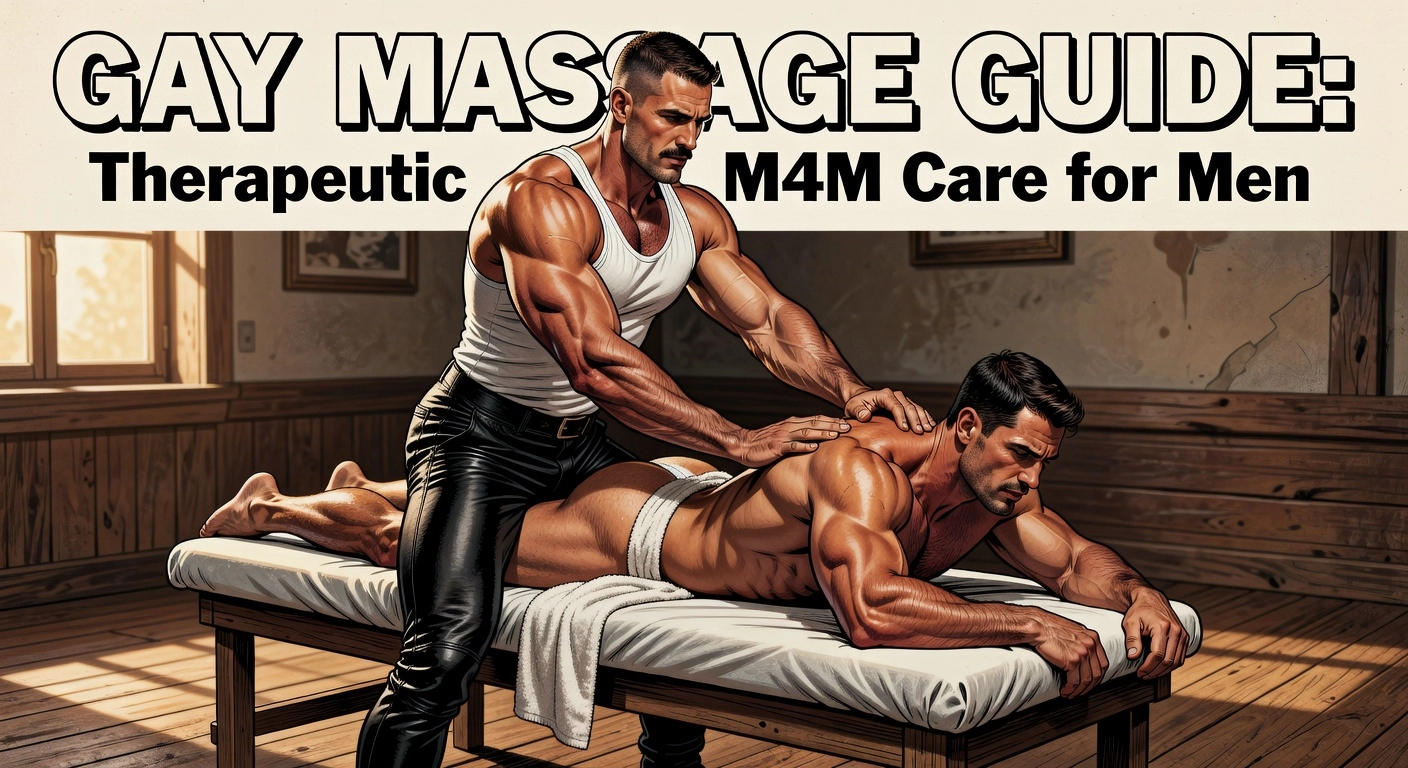
Exploring new avenues for personal wellness can be both exciting and daunting, especially when it comes to intimate therapies like gay massage. For beginners venturing into this specialized field, understanding the nuances of therapeutic M4M care is essential for a safe and rewarding experience. Gay massage offers more than just physical relaxation. It provides a holistic approach to men's health that addresses stress, muscle tension, and emotional well-being in a supportive environment.
This guide serves as your authoritative resource, breaking down everything you need to know to get started. You will discover how to select a reputable therapist, prepare mentally and physically for your session, and learn about various techniques that distinguish professional gay massage from standard massages. By the end of this tutorial, beginners will feel confident in navigating the process, ensuring they receive the full therapeutic benefits without any unnecessary concerns.
Throughout the following sections, we emphasize safety, communication, and respect as core principles. Expect practical tips on what to expect during your first appointment and how to communicate your needs effectively. This knowledge empowers you to make informed decisions and enjoy the profound advantages of gay massage tailored for men.
What Is Gay Massage
Gay massage, often called M4M massage, refers to therapeutic bodywork performed by gay or gay-friendly male therapists for gay, bi, and curious men in a judgment-free setting. This approach creates a welcoming space where clients can focus on wellness without external pressures or assumptions about identity. Practitioners deliver care that addresses both physical tension and emotional relaxation, helping men connect with their bodies in supportive environments. The emphasis remains on professional standards rather than any other intention, allowing beginners to explore services confidently.
Licensed techniques form the core of these sessions, including Swedish strokes for overall relaxation, deep tissue work to release chronic knots, hot stone applications for improved circulation, Thai stretching methods, and aromatherapy to enhance sensory calm. These methods target muscle recovery, stress reduction, and better mobility while steering clear of erotic elements that some might mistakenly associate with the term. Clients receive full draping and proper hygiene protocols in every appointment, which reinforces the clinical focus. Data from industry reports shows the global massage therapy market reached approximately 76.6 billion dollars in 2026 and continues expanding at a 5.7 percent compound annual growth rate. Such growth reflects rising demand for preventive wellness options across diverse populations.
Sessions unfold in private suites that prioritize complete discretion and comfort, often described as masculine sanctuaries free from judgment. Therapists maintain clean linens, controlled lighting, and personalized pressure adjustments to suit individual needs. This setup suits first-time visitors who seek a straightforward wellness experience without unnecessary complications. Directories such as Masseurfinder allow users to locate qualified gay-friendly practitioners by reviewing profiles, ratings, and service details. Importantly, clients do not need to identify as gay or LGBTQ+ to book appointments, as the services welcome any man looking for male therapist expertise.
The distinction between legitimate therapeutic offerings and illicit operations has gained urgency amid recent enforcement actions in the New York area. Authorities have closed unlicensed parlors tied to complaints, underscoring why verified providers matter for safety and compliance. For further reading on expectations and techniques, explore this overview from cityrubs or insights on therapeutic touch for gay men. Broader wellness trends point to increasing interest in holistic care, with the U.S. massage services market projected near 22.62 billion dollars in 2026. These developments support accessible options like those at Menquility for men exploring professional bodywork in Midtown Manhattan.
Market Statistics and Wellness Benefits
The massage therapy industry continues to expand rapidly as more individuals recognize its role in supporting overall health and daily well-being. In the United States, services are projected to reach 22.62 billion dollars in 2026, building on 21.07 billion dollars the previous year and growing at a steady pace fueled by greater attention to preventive care and stress management. This growth appears across clinics, fitness centers, and specialized studios, making professional bodywork more accessible than ever for those seeking reliable relief from tension and fatigue. Beginners exploring options like gay massage benefit from understanding these trends, as they signal strong demand for affirming, licensed practitioners who prioritize client comfort.
On a global scale, the market stands at 76.6 billion dollars in 2026 and is expected to advance at a 5.7 percent compound annual growth rate, reaching 133.3 billion dollars by 2036. Key drivers include the integration of massage into physiotherapy programs, workplace wellness initiatives, and recovery routines for people with sedentary lifestyles. Industry reports highlight how routine sessions help address posture issues from desk work or gym activities, offering practical value for anyone new to therapeutic touch. massage therapy market analysis provides further detail on these projections and their connection to broader health practices.
Surveys show that approximately 45 percent of men turn to spa massages primarily for relaxation and therapeutic relief, often citing soreness, stiffness, or chronic discomfort as main motivations. This participation rate slightly exceeds that of women in recent data, underscoring male interest in consistent self-care. Global wellness tourism is approaching 1.35 trillion dollars by 2028, reflecting rising demand for inclusive health experiences that welcome diverse identities and promote holistic recovery. Such trends align with the sexual wellness market, projected to reach 58.6 billion dollars by 2032, as greater acceptance encourages LGBTQ+ individuals to seek affirming care options without judgment.
Gay massage fits naturally within these expanding sectors by delivering targeted benefits in safe environments. Sessions help regulate the nervous system, lower cortisol levels, and reduce anxiety that may stem from everyday pressures or minority stress. They also support physical recovery through focused work on tight muscles, while fostering body positivity and reconnection after periods of trauma or self-doubt. Many clients report improved sleep, steadier mood, and greater resilience when combining massage with other wellness habits. For newcomers, starting with a 60-minute appointment allows clear communication about pressure preferences and goals, building confidence in the process. These services complement mental health support by emphasizing consent and cultural awareness at every step.
Common Services in Gay Massage Sessions
In gay massage sessions, clients encounter a thoughtful selection of techniques designed to address both physical relief and overall wellness. These services build on foundational principles of therapeutic touch while accommodating various comfort levels for beginners exploring M4M options. Understanding each modality helps new clients communicate preferences clearly and select sessions that align with their goals, whether focused on relaxation or targeted recovery.
Swedish massage stands out as an accessible starting point that employs long gliding strokes, kneading, and circular motions to boost circulation and ease general muscle tension. Sessions typically run 60 to 90 minutes with moderate pressure applied across the full body, making it ideal for first-time visitors seeking stress reduction without intensity. Practitioners often adjust draping and pace based on client feedback to maintain a calming environment throughout. This approach delivers measurable benefits like improved blood flow, which supports daily recovery and sets a positive tone for ongoing wellness routines.
Deep tissue techniques apply sustained firm pressure to reach chronic knots and deeper muscle layers, proving especially effective for individuals with active lifestyles or ongoing physical demands from work and exercise. Therapists may incorporate stripping or trigger point methods on areas such as the back and shoulders while blending in lighter Swedish elements for balance. Clients report noticeable improvements in mobility after regular sessions, with many noting reduced stiffness following consistent care. Beginners benefit from discussing pressure tolerances upfront to ensure a productive yet comfortable experience.
Hot stone therapy integrates smooth heated basalt stones placed on key body points or used as tools to relieve stiffness and enhance relaxation. Stones warmed to precise temperatures between 120 and 130 degrees Fahrenheit promote better circulation when combined with traditional strokes. This method adds a luxurious dimension that appeals to those wanting gentle heat therapy alongside standard massage benefits. Sessions allow clients to experience prolonged warmth that eases tension more deeply than manual pressure alone.
Thai massage introduces dynamic elements through assisted stretching, rhythmic compression, and rocking movements along energy pathways to increase flexibility and promote balanced energy flow. Performed often on a mat with the client in loose clothing, it engages multiple body areas using hands, elbows, and knees for comprehensive results. Active men frequently choose this option for its invigorating qualities that complement gym routines and support joint mobility. Clear communication about range of motion ensures safety and maximizes therapeutic outcomes.
Nuru and sensual options extend the experience with specialized bodywork that incorporates full contact and sensory elements while remaining grounded in licensed therapeutic practices. These modalities use professional draping and consent protocols to create intimate yet respectful sessions suited for clients seeking heightened relaxation. In established settings, therapists blend these approaches with core techniques for holistic results.
How to Choose a Safe Provider in NYC
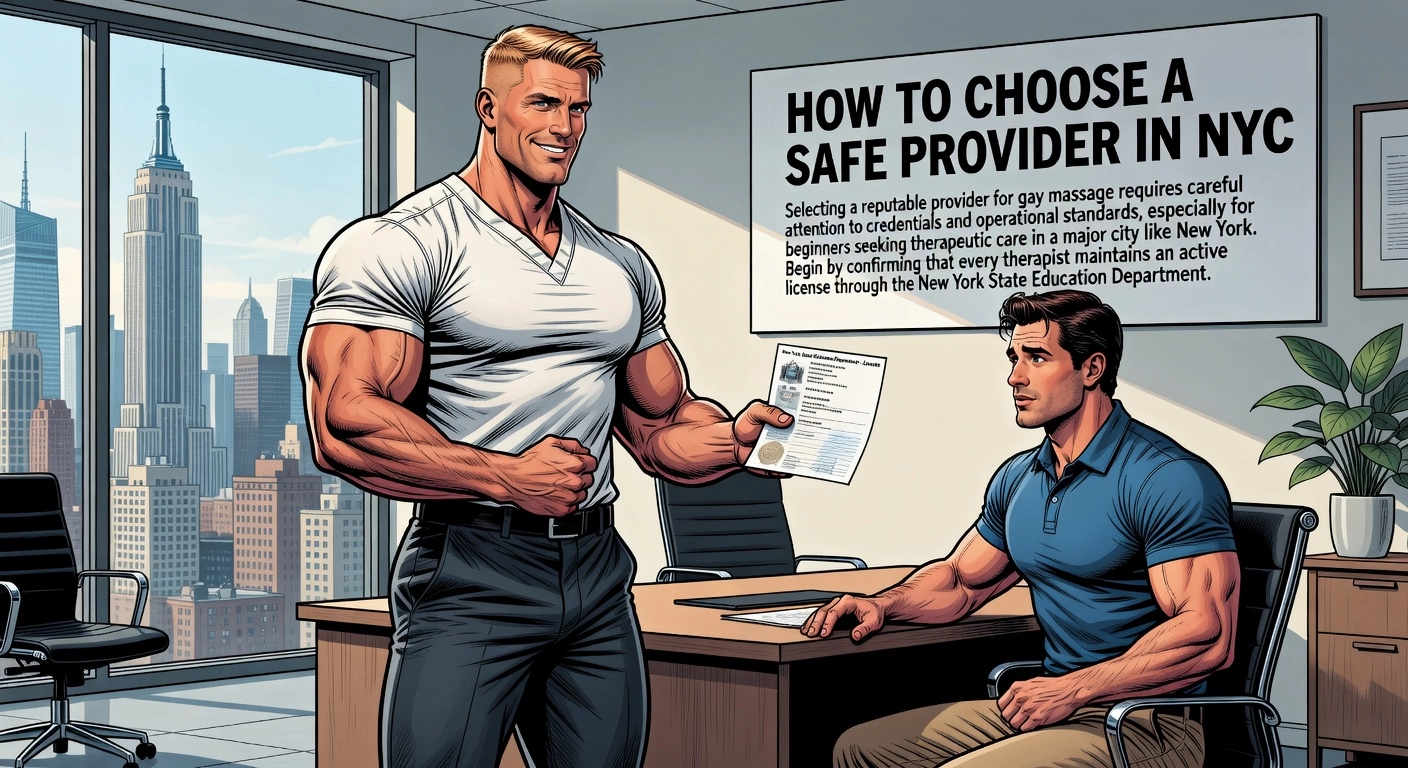
Selecting a reputable provider for gay massage requires careful attention to credentials and operational standards, especially for beginners seeking therapeutic care in a major city like New York. Begin by confirming that every therapist maintains an active license through the New York State Education Department verification system. Licensed professionals complete extensive training programs exceeding 1,000 hours and pass rigorous examinations to ensure safe, effective techniques such as Swedish or deep tissue work. Equally important is verifying that the studio follows a strict appointment-only model with no walk-in access, which supports proper client screening and maintains a controlled, private environment for all sessions.
Next, identify providers displaying clear queer-owned or gay-affirming branding that explicitly welcomes gay, bi, and curious men. Such signals often appear in website language emphasizing judgment-free spaces and tailored wellness experiences, helping clients feel secure from the first interaction. This focus distinguishes dedicated practices from general spas by prioritizing emotional comfort alongside physical relief during sessions lasting 60 to 120 minutes.
Location plays a practical role in ensuring consistent access. Prioritize studios situated in Midtown Manhattan near Koreatown, Chelsea, or Hell's Kitchen, as these areas connect efficiently via subway lines to neighborhoods across Manhattan and Brooklyn. Convenient placement reduces travel stress and allows clients to integrate regular appointments into busy schedules without added complications.
Review client feedback on established directories such as Masseurfinder to gauge reliability and professionalism. Explore recent profiles and ratings on Masseurfinder while confirming the provider offers private suites and enforces strict discretion protocols, including confidential booking processes. These details protect privacy and align with broader trends toward licensed, transparent wellness services amid growing demand for affirming care.
Finally, reach out directly by phone or email to discuss available session lengths and confirm a therapeutic emphasis on techniques like hot stone or aromatherapy. Reputable studios respond promptly with clear information on pricing, boundaries, and customization options, allowing clients to prepare confidently. This direct communication builds trust and helps match services to individual needs for optimal results.

What to Expect During Your First Session
Menquility — Kips Bay, Manhattan NYC. By appointment only. Contact the concierge for arrival details.
Sessions unfold in private suites designed for complete discretion and comfort. You undress to your own comfort level, whether that means keeping underwear on or removing all clothing, and the therapist uses draping techniques to maintain professionalism at every stage. Only the area being massaged is exposed while the rest of the body remains covered. This setup supports a focused therapeutic experience without unnecessary exposure or distraction.
Throughout the massage, open communication stays central to the process. You can request changes to pressure levels or shifts in focus areas at any moment, and the therapist checks in regularly to confirm everything feels appropriate. Beginners often find these adjustments helpful as they learn how different techniques affect their body. The dialogue ensures the session evolves according to real-time feedback rather than following a rigid script.
Expect a full therapeutic experience that lasts between 60 and 120 minutes depending on the package chosen. Available modalities include Swedish massage for broad relaxation, deep tissue work for stubborn knots, and other options such as hot stone or aromatherapy. Each technique is delivered by licensed male therapists who prioritize both physical relief and overall wellness in a judgment-free setting.
After the session concludes, aftercare guidance includes drinking plenty of water to support circulation and reduce any residual soreness. You receive time to re-dress and reorient yourself before departing the discreet environment. These steps help maximize the benefits long after you leave the studio.
Next Steps for Finding Affirming Care
Beginning your search for affirming therapeutic care starts with identifying licensed studios that highlight queer-owned values and maintain clear professional boundaries. This step helps ensure a focus on wellness services such as Swedish or deep tissue techniques delivered in secure settings. Next, prepare targeted questions about available services, therapist training and experience, and privacy protocols before making your first booking. These inquiries confirm alignment with your needs for discretion and comfort.
A 60-minute introductory session offers an effective way to assess the environment, therapist rapport, and suitable modalities without a longer commitment. This format supports informed decisions for future visits based on direct experience. When scheduling, use direct phone or email contact to confirm your selected time slot and discuss any specific preferences.
Prioritize providers that deliver consistent professional care in safe masculine spaces designed for gay, bi, and curious men. These options foster trust and relaxation through judgment-free practices tailored to client well-being.
Conclusion
This guide has highlighted the core elements of therapeutic M4M care. You learned how to choose a qualified therapist who prioritizes safety and professionalism. You also discovered the value of mental and physical preparation before a session. In addition, the discussion covered specialized techniques that set gay massage apart from standard options while delivering holistic benefits for stress relief, muscle tension, and emotional balance.
These insights reinforce the practical value of the information shared, giving beginners the tools to pursue wellness with confidence. Take the next step by researching reputable practitioners in your area and booking your first session. With this foundation, you can embrace gay massage as a supportive path to improved health and lasting relaxation. Begin your journey today and experience the positive difference it can make.