Journal / May 23, 2026
Comparing M4M Spas in New York for Discreet Wellness
Compare licensed M4M spas in New York including services, locations, and affirming environments to find the right private massage experience for gay, bi, and curious men.
By Menquility
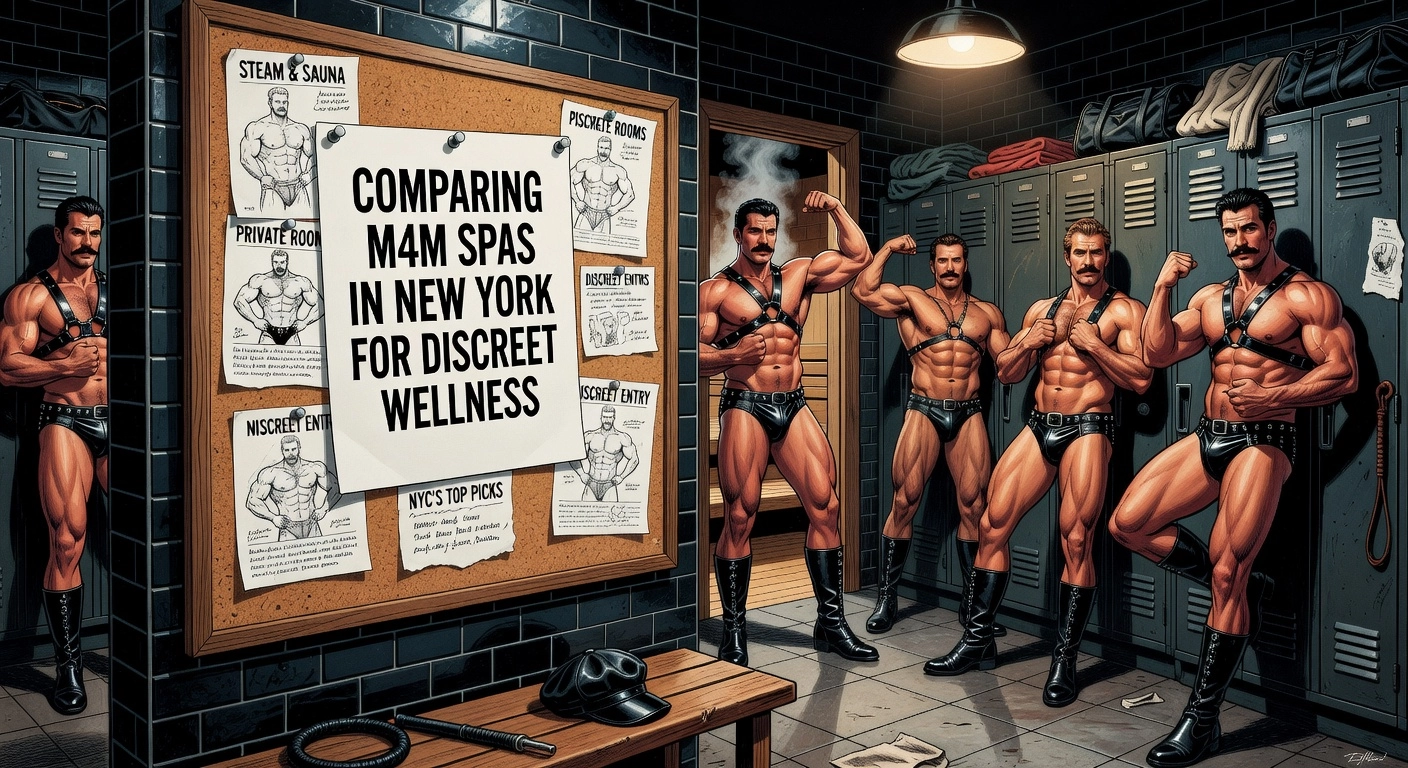
Amid the relentless pace of New York City, many professionals seek private spaces where personal wellness can be addressed without unnecessary exposure. Selecting the right provider becomes essential when privacy and specialized care stand at the forefront of the experience. An m4m spa new york offers tailored services designed for this exact need, combining therapeutic techniques with strict confidentiality protocols. This comparison examines several prominent establishments, evaluating their facilities, staff expertise, range of treatments, and overall commitment to discretion. Readers will gain clear insights into how each option differs in atmosphere, pricing structures, and client satisfaction levels. By reviewing these distinctions, individuals can make informed decisions that align with their expectations for quality and security. The analysis highlights practical factors such as location accessibility and scheduling flexibility to help streamline the selection process. Ultimately, this overview equips readers with the knowledge required to choose a venue that supports both relaxation and peace of mind.
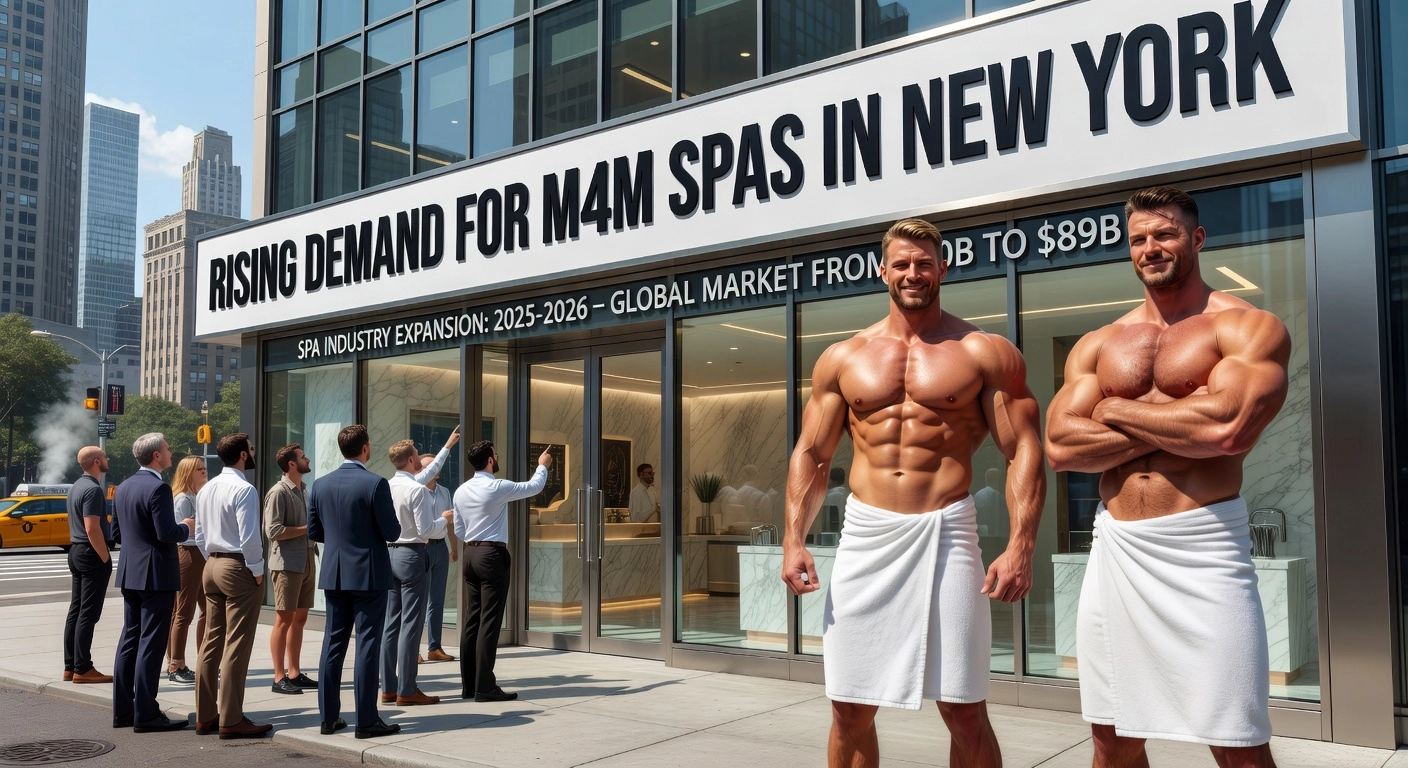
Rising Demand for M4M Spas in New York
The spa industry has experienced notable expansion between 2025 and 2026, with the global market advancing from roughly 80 billion to 89 billion dollars amid rising urban tourism and post-pandemic interest in wellness travel. Major cities like New York benefit directly from this momentum as visitors and residents alike seek restorative experiences that combine relaxation with targeted bodywork. Data from recent industry analyses confirm that hospitality integrations and broader wellness economy trends continue to fuel this growth at a steady double-digit pace.
M4M spa new york services cluster heavily in several Manhattan neighborhoods that already support strong LGBTQ+ infrastructure. Midtown offers convenient central access for commuters and tourists, while Chelsea and Hell's Kitchen provide dense concentrations of venues alongside established gay nightlife and community spaces. Greenwich Village adds historical context and foot traffic from long-standing queer cultural landmarks. These areas attract clients looking for private, masculine environments that prioritize discretion and specialized care.
Statistics indicate that 45 percent of men report receiving massages as part of routine wellness practices, yet many now seek options that extend beyond generic day-spa settings. This shift favors queer-affirming studios where gay, bi, and curious clients feel fully welcomed without judgment. Licensed providers in these neighborhoods respond by offering sessions that blend therapeutic techniques with inclusive atmospheres tailored to male clients.
A clear comparison emerges when evaluating licensed therapeutic studios against illicit massage parlors. Licensed facilities employ certified therapists, maintain state-regulated operations, and deliver non-sexual services in compliant private suites. In contrast, illicit operations often prioritize cash-based models and have been valued at up to 4.5 billion dollars annually across the United States, though they carry documented risks tied to labor concerns and regulatory violations. spa market growth trends global wellness economy updates Clients benefit most from selecting established, appointment-only locations that emphasize professional standards and neighborhood accessibility.
Essential Factors for Selecting an M4M Spa
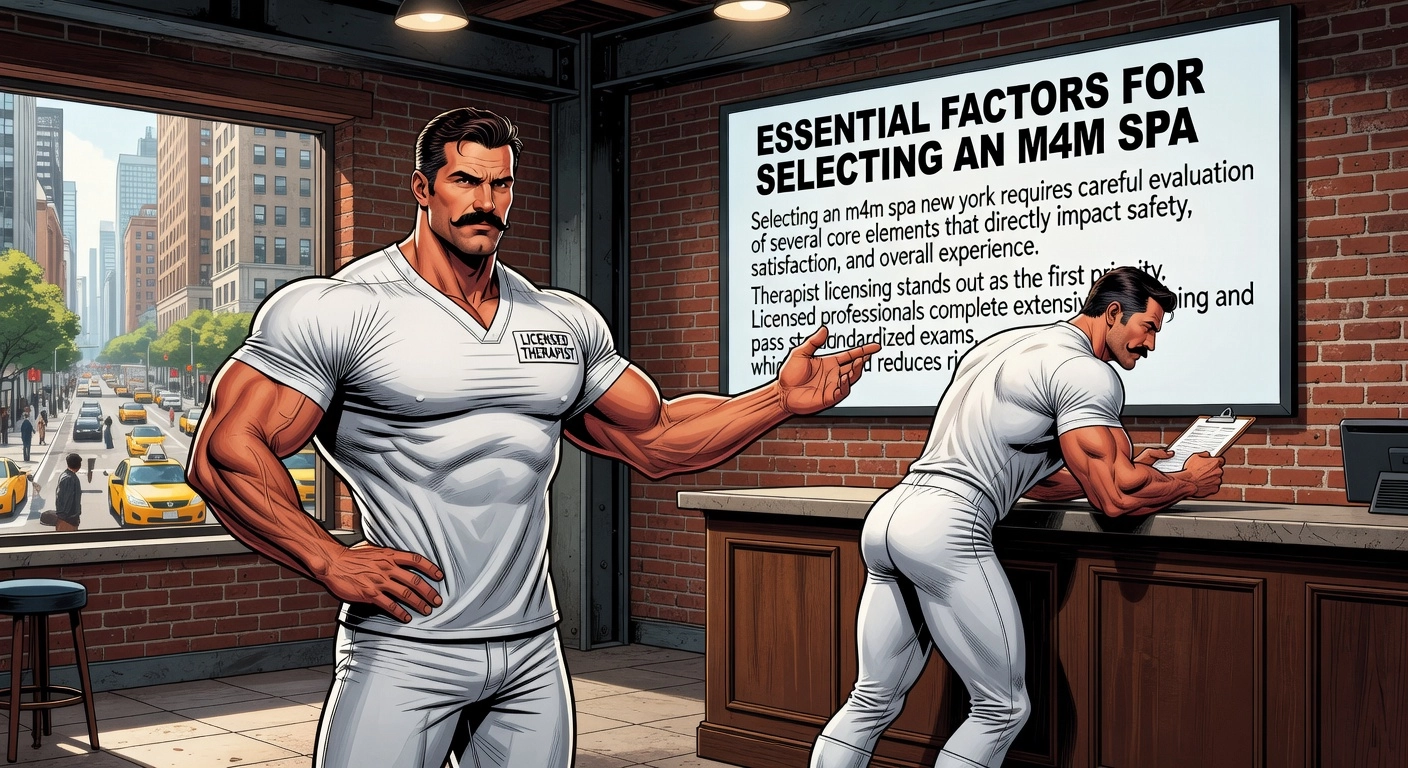
Selecting an m4m spa new york requires careful evaluation of several core elements that directly impact safety, satisfaction, and overall experience. Therapist licensing stands out as the first priority. Licensed professionals complete extensive training and pass standardized exams, which reduces risks and ensures techniques remain within therapeutic boundaries. In contrast, unlicensed options may offer lower costs but often lack verifiable credentials, leading to inconsistent pressure application or boundary issues. Private suite availability further enhances discretion. Spas with individual rooms equipped for comfort allow clients to relax without interruptions, while shared spaces in busier facilities can compromise privacy for those seeking a fully confidential session.
Appointment-only policies represent another key differentiator. This model supports tailored scheduling and eliminates walk-in crowds, fostering an environment where gay, bi, and curious men feel secure. Facilities without such restrictions may prioritize volume over personalization, resulting in rushed interactions. Service menus also vary widely across options. Comprehensive choices include Swedish and deep tissue for targeted relief, alongside hot stone, Thai, and aromatherapy for varied sensory experiences. Sensual and Nuru modalities extend sessions from 60 to 120 minutes, providing layered benefits like improved circulation and emotional connection when delivered by affirming practitioners. Narrower menus limit customization, potentially leaving specific needs unmet.
Queer ownership and masculine aesthetics create meaningful distinctions from neutral men's spa approaches. Explicitly gay-affirming language signals cultural competence and reduces the need for explanation, whereas generic framing may feel more clinical or less welcoming to diverse clients. Pricing typically ranges from 80 to 150 dollars per hour for standard work, with extended sensual sessions commanding higher rates based on duration and add-ons. Central accessibility from Koreatown proves advantageous, as convenient transit links minimize travel time for visitors from Chelsea, Hell's Kitchen, or the Upper East Side.
Clients benefit most from cross-checking these factors against personal priorities, such as preferring therapeutic depth over sensual focus or valuing explicit inclusivity. This structured comparison helps identify setups that align with wellness goals while maintaining high standards of professionalism and accessibility.
Side-by-Side Analysis of Leading NYC M4M Spas
Menquility — Kips Bay, Manhattan NYC. By appointment only. Contact the concierge for arrival details.
Luxury LGBTQ-friendly options on Madison Avenue emphasize upscale full-service experiences that include premium oils, synchronized four-hand techniques, body wraps, and grooming packages. These venues often feature elegant environments with artful details and limited daily appointments to maintain exclusivity, appealing to clients who prioritize refined amenities and extended wellness rituals. In contrast, Chelsea-based studios provide 24-hour access and a broad selection of male therapists skilled in sports massage, stress relief, and personalized recovery work. Their straightforward facilities support flexible scheduling for busy professionals or late-night needs while maintaining a clean, men-focused atmosphere.
Hell’s Kitchen locations such as New Paradise Men’s Spa and Hush Manhattan compete on menu variety and privacy, offering packages that combine massage with day-spa amenities in professional, confidential settings. These spots typically operate with standard daytime hours and emphasize client comfort through diverse techniques and grooming services. Across the market, average session costs fall between 80 and 150 dollars per hour, reflecting the premium placed on licensed practitioners amid rising demand for specialized men’s wellness. Data from 2023 shows 45 percent of men incorporating massage into their routines, a trend expected to grow with wellness tourism projections reaching 1.35 trillion dollars globally by 2028.
Menquility differentiates through its explicit queer-affirming identity and balance of therapeutic legitimacy with sensual offerings, supported by verifiable New York State licensing. Clients benefit from direct booking via phone or email and easy access from neighborhoods including Chelsea, Hell’s Kitchen, and the Upper East Side. This focused positioning reduces uncertainty for those seeking an unapologetically masculine environment. For intermediate users evaluating options, prioritizing verified credentials, clear communication policies, and alignment with personal comfort levels leads to the most satisfying results.
Neighborhood Access and Booking Convenience
The central Midtown location of Menquility creates clear advantages when compared with more isolated neighborhood options for reaching an m4m spa new york. Clients traveling from Chelsea can take the 1 train one stop from 18th Street followed by a short four-minute walk, while a direct Citibike ride from Eighth Avenue and 16th Street covers the route in roughly twelve minutes. Hell’s Kitchen visitors reach the studio via one A, C, or E train stop or an eighteen-minute walk east along 32nd Street. From Greenwich Village the N, R, or W lines deliver riders in seven minutes with a three-minute walk at the end, and Upper East Side guests arrive in under fifteen minutes on the 6 train from stations such as 68th or 86th Street. Upper West Side travelers benefit from the 2 or 3 express to Penn Station in six minutes, and Financial District commuters complete the trip on the N, R, or W in fourteen minutes. These transit choices consistently outperform longer rideshares or walks through residential streets, especially during peak evening hours.
Appointment scheduling further distinguishes the experience by offering daily availability from 10:00 a.m. to 10:00 p.m. through phone calls, text messages, or email to concierge@menquility.com. Same-day slots remain common, including late-evening options on weekends, which allows professionals to book private-suite sessions around work or social plans without advance notice of several days. In contrast to walk-in day spas that require physical presence and potential waiting in shared spaces, this model lets clients confirm a dedicated time slot in advance and arrive directly at their suite. Phone and text options provide immediate confirmation, while email suits those who prefer written records of their booking details and therapist preferences.
Positioning near Koreatown adds another layer of efficiency for visitors already in the area for dining or transit connections. The studio sits within a short subway hop or even a one-minute walk from several K-Town blocks, removing the need to travel into quieter residential pockets such as deeper Chelsea or the West Village. Clients can combine a meal with a session and depart without backtracking across Manhattan, an advantage over spas located farther from major food and subway hubs. Public transit remains the recommended approach given limited street parking, yet the concentration of lines at nearby Union Square and 14th Street stations supports quick arrivals from multiple directions.
The appointment-only policy itself elevates privacy when measured against traditional walk-in facilities. Guests enter private suites without encountering mixed-gender lobbies or other clients, creating a controlled environment that aligns with the masculine, judgment-free setting described on the official site. This approach reduces exposure compared with spas that permit spontaneous arrivals and shared waiting areas, particularly valuable in a high-traffic city where discretion matters. Flexible same-day access still supports spontaneous plans while preserving the confidentiality that walk-in models often compromise.
Making Your Choice for M4M Wellness
Explicit queer ownership paired with a licensed therapeutic focus helps fill notable voids in typical M4M searches across New York. Many results blend unlicensed options with mainstream spots that overlook the need for affirming, masculine environments. Menquility stands out by delivering professional standards through state-licensed therapists in fully private suites that prioritize discretion and community alignment.
Before finalizing any booking, confirm current licensing credentials for all therapists involved. Review recent client feedback on trusted platforms to gauge consistency in service quality. Verify that private suite options align with your preference for complete discretion and appointment-only access.
Reach out to Menquility directly at +1 (646) 347-1740 or via concierge@menquility.com to discuss tailored 60 to 120 minute sessions. Selecting a space that matches your desire for a judgment-free sanctuary ensures both physical benefits and emotional ease in a setting designed specifically for gay, bi, and curious men.
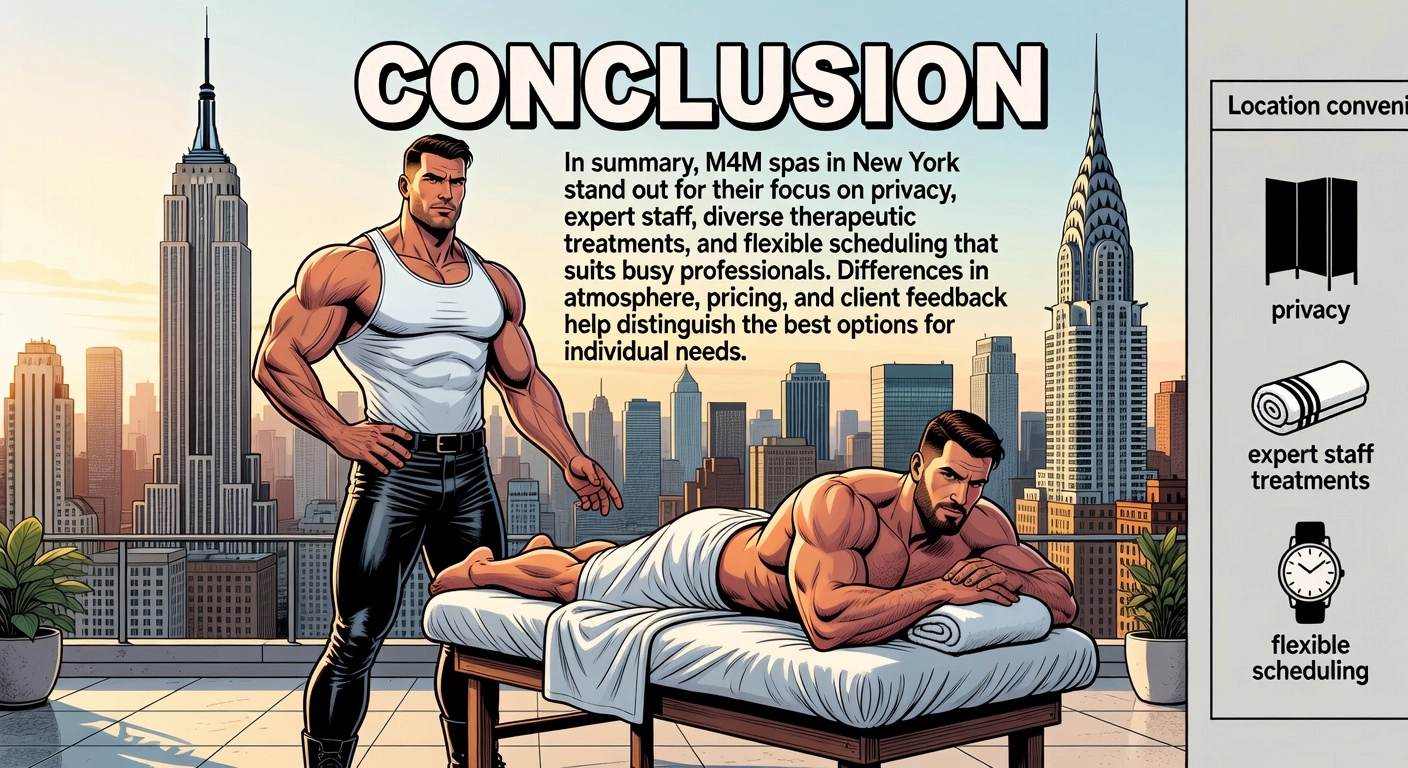
Conclusion
In summary, M4M spas in New York stand out for their focus on privacy, expert staff, diverse therapeutic treatments, and flexible scheduling that suits busy professionals. Differences in atmosphere, pricing, and client feedback help distinguish the best options for individual needs. Location convenience and strict confidentiality protocols further enhance the overall experience across top providers.
This comparison delivers practical guidance to support informed choices that prioritize both quality and security. Take the next step by reviewing specific spa details and booking an initial visit. Embracing such tailored wellness solutions can restore balance and confidence in a private setting.